


7 Mistakes First-Time Buyers Are Making With Their Home Search (and How to Fix Them)
Central Broward Real Estate Information

Buying your first home in South Florida can feel like a lot to manage at once: prices, financing, insurance, inspections, and unfamiliar paperwork. A little preparation can make the search feel much more manageable.
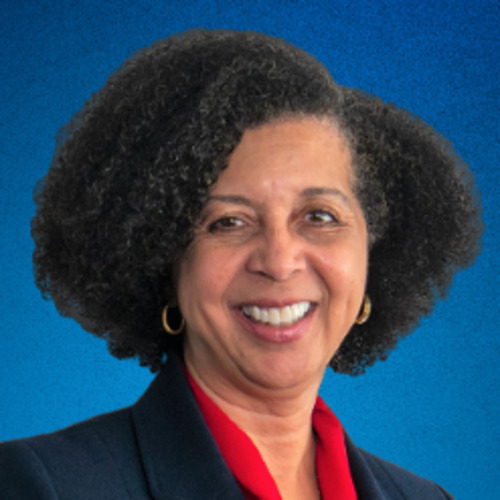
I’m Sharon McLennon, a real estate broker with more than 25 years of experience and a CPA background. I help buyers across Central Broward County, including Lauderhill, Plantation, and Sunrise, look beyond the listing price and make informed decisions at their own pace.
Here are seven common home-search mistakes, and practical ways to avoid them.
1. Waiting too long to get pre-approved
It’s easy to start browsing homes before speaking with a lender. But without a current pre-approval, it can be hard to tell which listings fit your financing, what cash you may need, or how quickly you could make an offer.
A pre-approval is an early review of your finances, not a final loan commitment. Your lender will still need to verify details and approve the property and loan before closing.
How to fix it: Talk with lenders early and compare your options. Ask about the estimated monthly payment, cash needed to close, loan costs, and how long the pre-approval remains valid. You can explore the basics on the Simply Ask Sharon financing page, then confirm figures with a lender.
2. Setting a price limit without checking the full monthly budget
A home’s asking price doesn’t tell you what it will cost to own. In Broward County, your monthly expenses may include property taxes, homeowners insurance, flood insurance, mortgage insurance, association dues, utilities, and maintenance.
Insurance deserves particular attention. Premiums and coverage depend on the individual property, and standard homeowners insurance generally doesn’t cover flood damage. A home’s roof, age, location, and other features can affect both the cost and availability of coverage.
How to fix it: Build a realistic monthly estimate before you get attached to a listing. Include the costs above, plus a cushion for repairs and unexpected expenses. Ask for an insurance estimate based on the property address and details, not a general guess, and check flood risk and possible flood coverage needs. The Florida Department of Financial Services’ homeowners insurance overview is a useful place to learn more.

3. House-hunting online only
Online listings are helpful for getting a sense of what’s available, but they can’t tell you everything about a home or its surroundings. Photos may not show noise, traffic, drainage, nearby construction, the feel of a room, or how far everyday errands are.
In Central Broward, two homes with similar listing details may offer very different day-to-day experiences. Seeing a property and exploring the area can help you decide whether it fits your routines and priorities.
How to fix it: Use online searches to narrow your options, then make time for in-person visits. If you’re considering Lauderhill, for example, you can explore the area through this Lauderhill real estate page. Think about your commute, parking, access to services, and how you’ll use the home, not just how it looks in a photo.
4. Overlooking HOA dues, condo costs, and insurance
An appealing price doesn’t necessarily mean an affordable home overall. A condo or home in an association may come with monthly dues, and insurance costs can differ depending on the property and what the association’s policy covers. Some homes also need flood insurance.
Don’t assume that one property type will always cost less month to month. The full picture depends on the mortgage, taxes, insurance, association charges, and what you’re responsible for maintaining.
How to fix it: Compare the total estimated monthly cost for each property. For condos and homes with an HOA, ask what the dues cover and review the association documents, current budget, insurance information, and any notices about planned work or charges. Confirm the lender can finance the property and get a property-specific insurance quote while you still have time to assess your options.

5. Using every dollar of savings for the down payment
A larger down payment may reduce borrowing costs, but putting all your available cash into it can leave too little for closing costs, moving, repairs, and emergencies. First-time buyers sometimes overlook assistance programs that could help with eligible costs.
Program rules, funding, and qualifying properties can change, so don’t count on assistance until you’ve confirmed the current requirements.
How to fix it: Ask your lender about down-payment options and check whether you may qualify for a local program. Broward County shares information about its Homebuyer Purchase Assistance program; contact the program or a participating lender to verify current funds, eligibility, and terms. Keep a separate reserve in your budget so you can settle into your home without feeling financially stretched.
6. Treating offer protections as all-or-nothing
When you find a home you love, it can be tempting to waive protections to make an offer more appealing. On the other hand, overly rigid terms or unclear deadlines can make it harder to negotiate thoughtfully. The right approach depends on the home, your finances, the market, and the contract.
Inspection, financing, and appraisal terms can affect your choices if a problem arises. The details and deadlines matter, so don’t rely on a general rule or assume every offer works the same way.
How to fix it: Before making an offer, discuss the contract terms, deadlines, and risks with your real estate professional. Ask what each contingency does, what it doesn’t do, and what could happen if you need to renegotiate or cancel. For legal questions about a contract, consult a Florida real estate attorney. The Florida Bar’s consumer information on buying a home offers a helpful overview.
7. Skipping the inspection, or treating it as a formality
A clean-looking home can still have issues that aren’t obvious during a showing. In South Florida, buyers may want to pay particular attention to the roof, air conditioning, plumbing, electrical systems, and signs of moisture. A lender’s appraisal is not a substitute for a home inspection: they serve different purposes.
How to fix it: Arrange an independent inspection within the contract timeline, and attend if you can. Ask the inspector to explain findings and whether a specialist should take a closer look at a particular concern. Use the results to understand the home’s condition and discuss next steps within your contract rights.

A steadier way to search
You don’t have to know everything before you begin. Start with a lender conversation, make a budget that reflects the full cost of ownership, and take time to understand each property and its terms. If you’re still exploring, that’s a perfectly good place to be.
For practical next steps, visit the Simply Ask Sharon Buyer Resource Hub. It includes tools for different stages of the process. And if you’d like to talk through your questions, you’re welcome to schedule a complimentary consultation. There’s no need to rush. The goal is to help you feel prepared to make the decision that works for you.

Contact Me
Thinking of buying or selling in South Florida? Contact me today! You will be glad you did.

Contact Information
Sharon McLennon, Broker, REALTOR® - FL LIC# 697110Coldwell Banker Splendor Realty
Lauderhill, FL 33313
Send a message